CuberPal Learning Library

Speedcubing Blog

Follow a clear path from cube fundamentals to CFOP, faster F2L, algorithms, and competition-ready practice. Every article points to a useful next step.
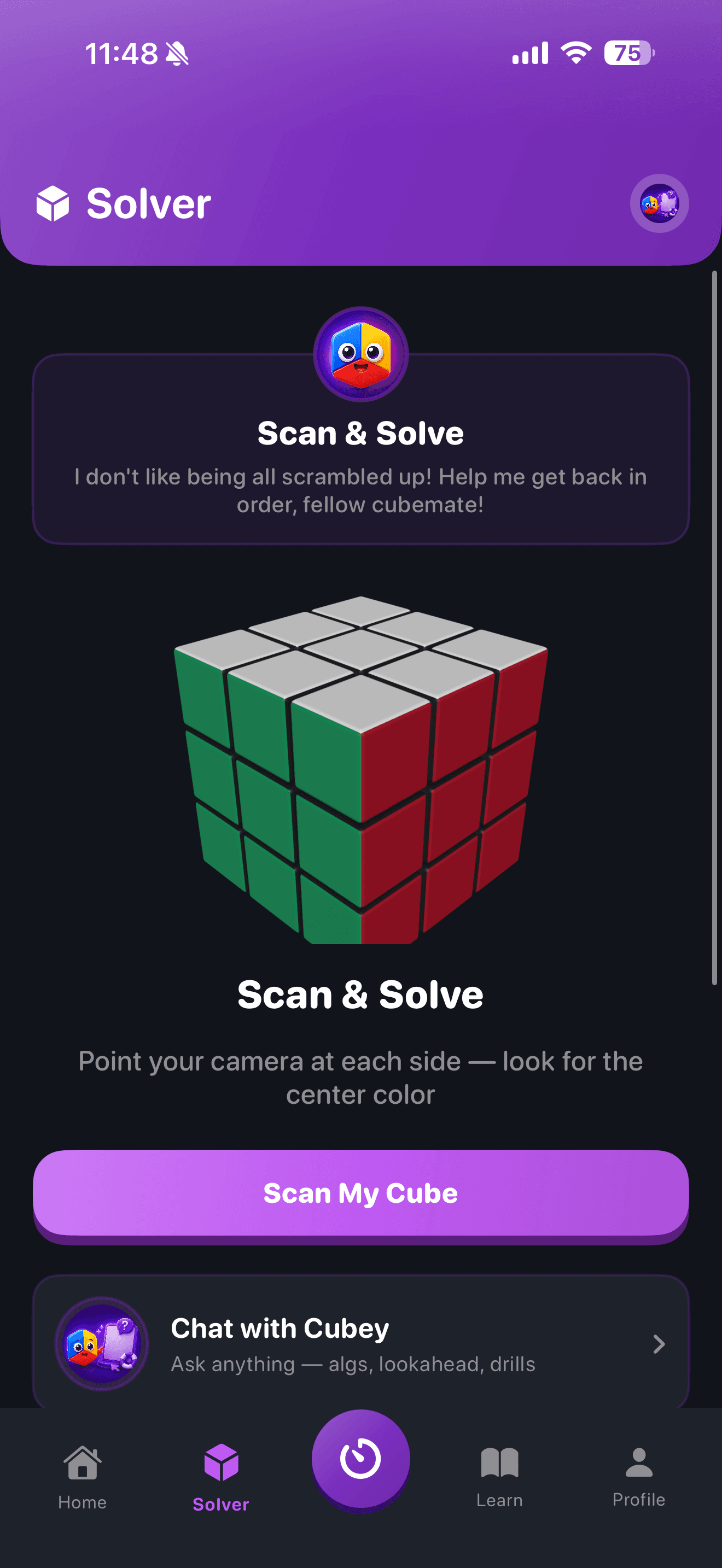
CuberPal cube timer showing a scramble and stopwatch for tracking a focused 5x5 Rubik's Cube practice solve
Beyond 3x3

How to Solve a 5x5 Rubik's Cube

A practical beginner walkthrough for reducing a 5x5 to a familiar 3x3: centers first, edge pairing next, then the final solve.

Part of: Beyond 3x3

CuberPal 2x2 timer showing a scramble and stopwatch for tracking focused speedsolving practice
2x2 speedsolving

How to Get Faster at 2x2 Without Random Solves

A focused 2x2 practice plan for better first faces, cleaner recognition, reliable Ortega algorithms, and faster averages.

Part of: Beyond 3x3

CuberPal camera cube solver showing a scanned 3x3 scramble and step-by-step solving flow
Beginner solving

How to Solve a 3x3 Rubik's Cube for Beginners

A beginner method for solving a 3x3 Rubik's Cube one layer at a time, with notation, checkpoints, essential algorithms, and a practice plan.

Part of: Cube fundamentals

CuberPal 4x4 timer with a scramble and stopwatch for tracking a beginner reduction practice session
Solving

How to Solve a 4x4 Rubik's Cube

A beginner-friendly 4x4 roadmap: solve the centers, pair matching edges, finish as a 3x3, and handle the parity cases that make the puzzle look impossible.

Part of: Beyond 3x3

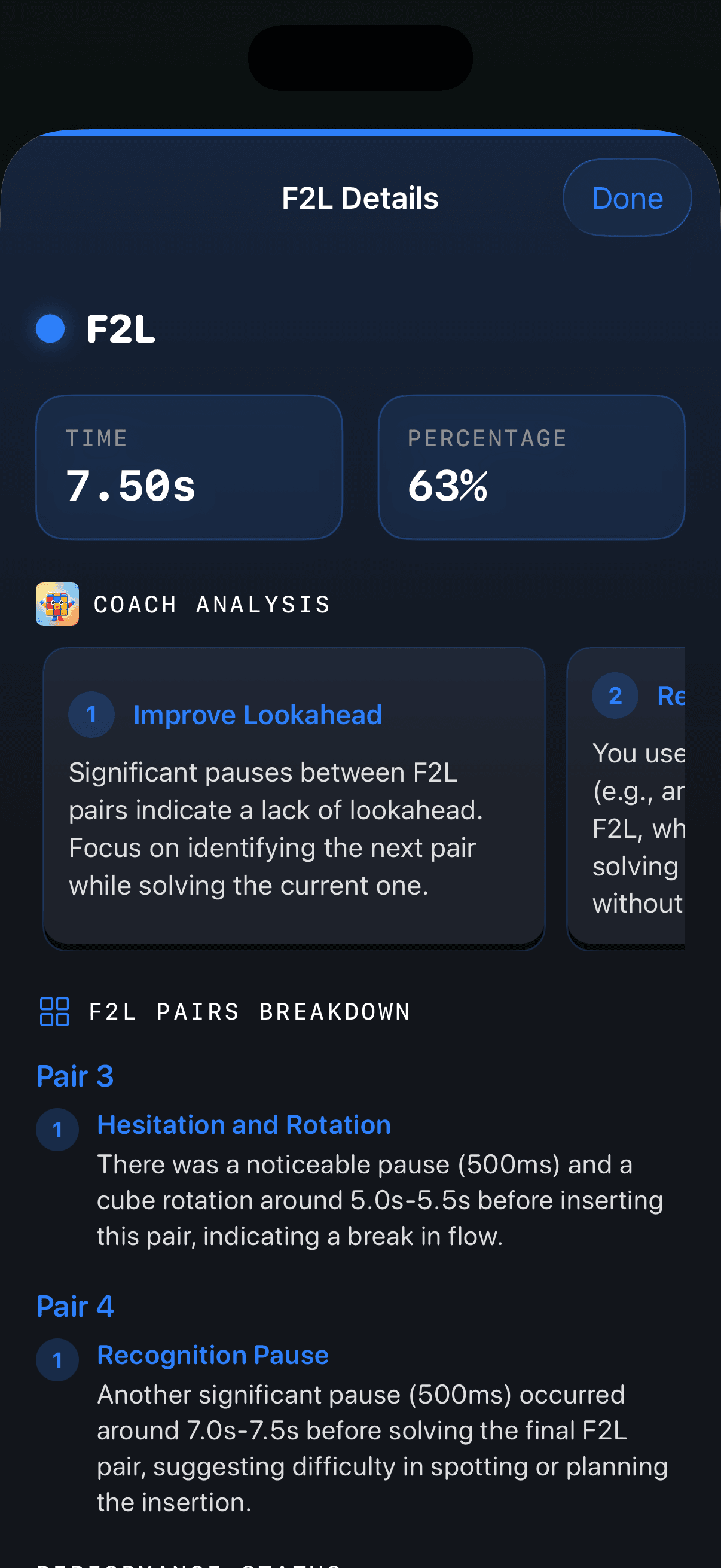
CuberPal F2L analysis screen with pair-by-pair timing and improvement details for reviewing a repeated F2L pause
F2L learning

How Many F2L Algorithms Do You Need?

F2L can begin with no memorized algorithms. Learn the pairing logic first, then add a small number of targeted cases only when they solve a real problem.

Part of: Learn CFOP

CuberPal algorithm practice category selection alongside a guide for choosing a manageable CFOP algorithm set
CFOP algorithms

How Many Algorithms Are in CFOP?

CFOP has no single algorithm count. Start with a compact two-look last layer, then add full OLL, PLL, or F2L cases only when each upgrade solves a real problem.

Part of: CFOP algorithms

CuberPal timer with a 3x3 scramble and stopwatch for practising a calm start routine before a speedcubing competition round
Competition

What Does DNS Mean in Cubing?

DNS means Did Not Start: an eligible competitor did not begin an attempt. Learn how it differs from DNF and why the distinction matters in a round.

Part of: Competition ready

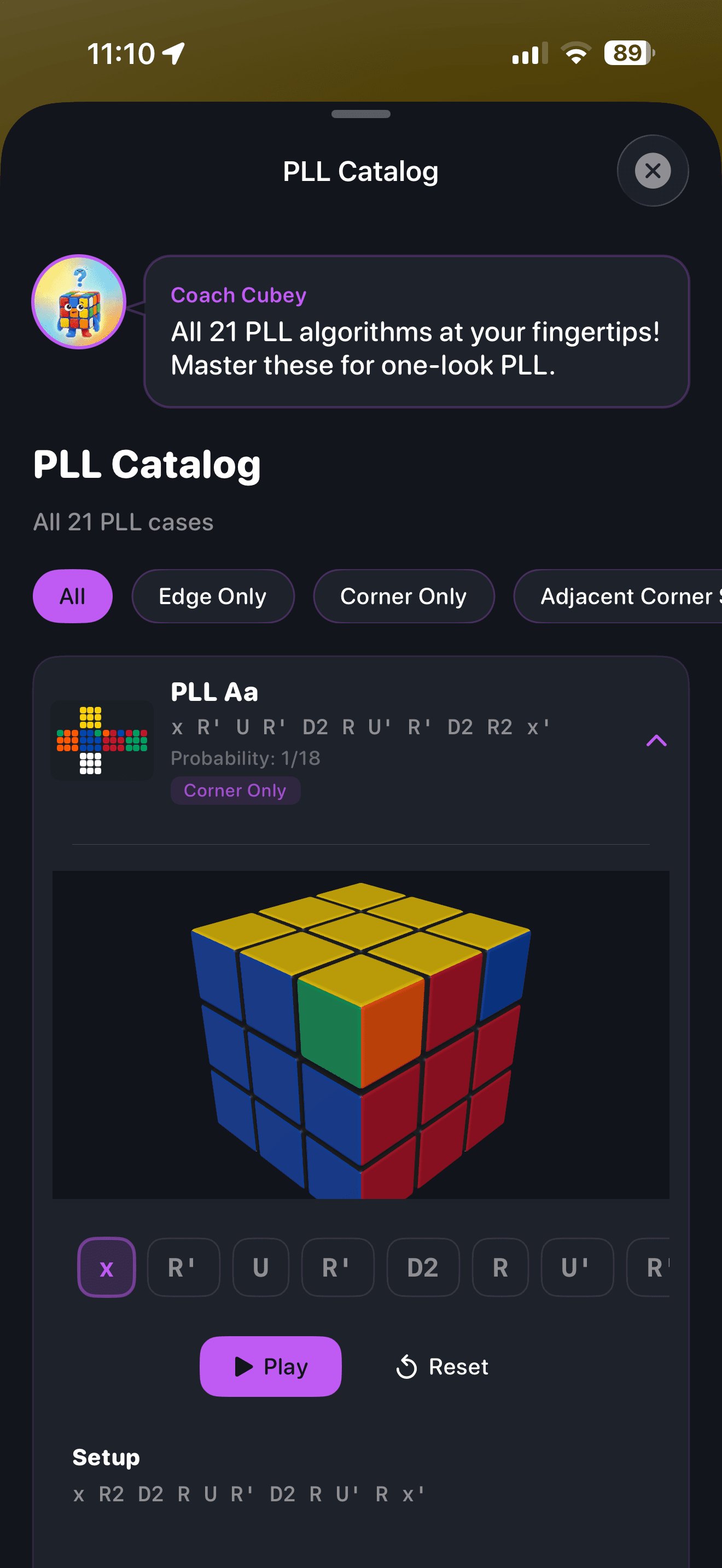
CuberPal PLL catalog showing a PLL case diagram, category, algorithm moves, and playback controls for two-sided recognition practice
CFOP algorithms

How Many Stickers Do You Need to Identify a PLL Case?

At PLL, six non-top stickers on two adjacent side faces are enough to identify the case and its angle. Here is how to read them without rotating.

Part of: CFOP algorithms

CuberPal statistics dashboard for comparing speedcubing solve times and practice results
Speedcubing practice

How to Calculate TPS in Cubing

TPS is moves divided by seconds, but it only helps when the move count and solve segment are comparable. Learn how to measure it without chasing empty speed.

Part of: Get faster at 3x3

CuberPal timer with a scramble and stopwatch for recording short Pyraminx beginner-practice sets
Other events

How to Solve a Pyraminx With a Beginner Method

A calm, visual-first Pyraminx plan: align the tips, build one face, insert its edges, then use one trusted final-edge reference.

Part of: Beyond 3x3

CuberPal cube timer with scramble preview and averages for structured WCA competition practice
Competition ready

Is 2x2 Blindfolded an Official WCA Event?

2x2 Blindfolded can be a fun personal challenge, but it is not an official WCA event. Here are the blindfolded events that count at competitions.

Part of: Competition ready

CuberPal F2L lesson and algorithm catalog for inspecting corner-edge pair insertions
CFOP learning

What Is Pseudoslotting in F2L?

Pseudoslotting temporarily misaligns the cross so an advanced F2L pair can be formed and inserted more efficiently. It is a tool, not a beginner requirement.

Part of: Learn CFOP

CuberPal PLL catalog with a case diagram and algorithm playback for comparing difficult PLL recognition and execution
CFOP algorithms

What Is the Hardest PLL Algorithm?

No PLL is objectively hardest for every cuber. Identify whether recognition, fingertricks, regrips, or a mirror pair makes your weak case difficult.

Part of: CFOP algorithms

CuberPal 4x4 timer with a scramble and stopwatch for recording focused PLL-parity practice
Technique

4x4 PLL Parity: Recognize and Fix an Impossible Last-Layer Swap

A clear 4x4 PLL-parity diagnosis, the verified parity sequence, and a calm path back to a normal 3x3-style last layer.

Part of: Beyond 3x3

CuberPal 4x4 timer with a scramble and stopwatch for recording a targeted OLL-parity practice session
4x4 technique

4x4 OLL Parity: How to Recognize and Fix a Flipped Edge

A calm, step-by-step way to identify the one-flipped-edge 4x4 case, execute a verified OLL-parity sequence, and return to your solve.

Part of: Beyond 3x3

CuberPal learning dashboard with 3x3 lessons, used to reinforce notation and sighted solving before starting blindfolded cubing
Beyond 3x3

How to Start 3x3 Blindfolded Cubing

A calm beginner path to your first 3x3 blindfolded solve: build a stable sighted base, learn memo and execution separately, then combine them.

Part of: Beyond 3x3

CuberPal cube timer with a 3x3 scramble ready for a focused one-handed cubing practice session
Technique

One-Handed Cubing: How to Start on 3x3

A practical first plan for solving 3x3 with one hand: choose a repeatable grip, keep your method familiar, and turn each solve into a focused drill.

Part of: Beyond 3x3

CuberPal timer screen with a scramble and stopwatch, used to log a focused 4x4 practice block
Practice

How to Get Faster at 4x4 Without Random Solves

A focused 4x4 practice plan for turning a long reduction solve into repeatable improvements without chasing advanced methods too early.

Part of: Beyond 3x3

CuberPal F2L analysis with pair-by-pair timing, used to review a practice session on recovering stuck F2L pairs
F2L troubleshooting

How to Fix a Stuck F2L Pair Without Guessing

A calm way to separate, rebuild, and insert an F2L pair when the corner and edge are stuck or connected in the wrong slot.

Part of: Learn CFOP

CuberPal training plan with a competition countdown and daily OLL, PLL, and F2L goals before a first WCA judging assignment
Competition

How to Judge a Speedcubing Solve at a WCA Competition

A first-time WCA judging guide for running a regular speedsolving attempt calmly, recording it correctly, and knowing when to call a Delegate.

Part of: Competition ready

CuberPal F2L analysis showing pair-by-pair timing for a practice session focused on reducing cube rotations
Technique

Rotationless F2L: How to Reduce Cube Rotations

A practical way to reduce F2L rotations while keeping intuitive solving, recognition, and lookahead intact.

Part of: Learn CFOP

CuberPal 3x3 timer showing a scramble and stopwatch for rehearsing a release-and-stop routine before competition
Competition rules

What Does DNF Mean in Cubing?

DNF means an attempt is disqualified. Learn the difference between a DNF and a +2, then practice a calm competition finish.

Part of: Competition ready

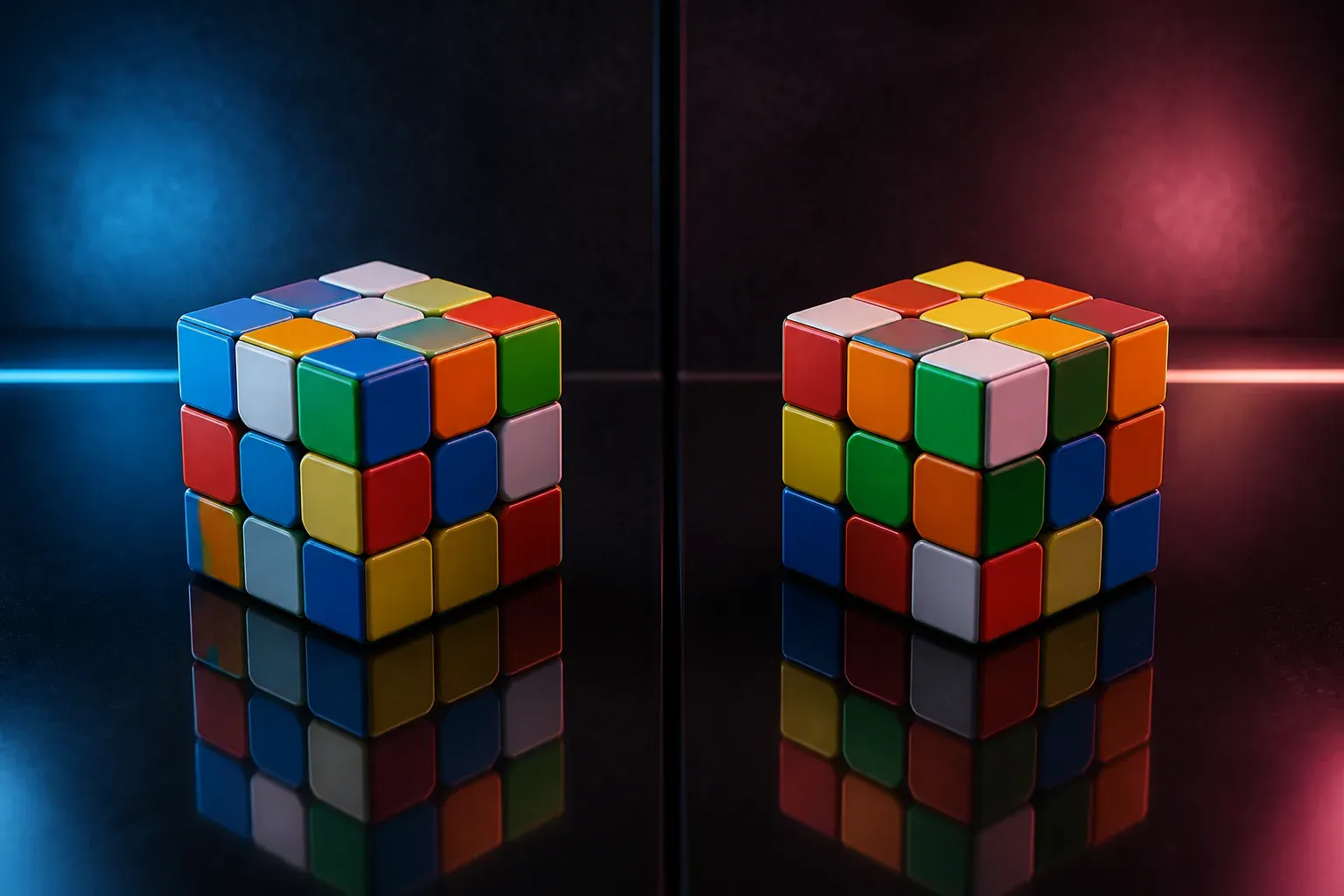
Two matching scrambled 3x3 cubes shown in equally lit blue and warm starting orientations.
Editorial image source: Generated with OpenAI built-in image generation for CuberPal editorial use; reviewed and optimized by CuberPal.
Speedcubing skills

How to Become Color Neutral in Speedcubing

A gradual, measurable way to add cross colors without turning every solve into an inspection scramble.

Part of: Get faster at 3x3

CuberPal Learn dashboard showing beginner, F2L, OLL, and PLL learning paths
Learning

Beginner Method vs CFOP

A practical comparison for solvers who can finish the cube and want to know when CFOP is worth the temporary slowdown.

Part of: Learn CFOP

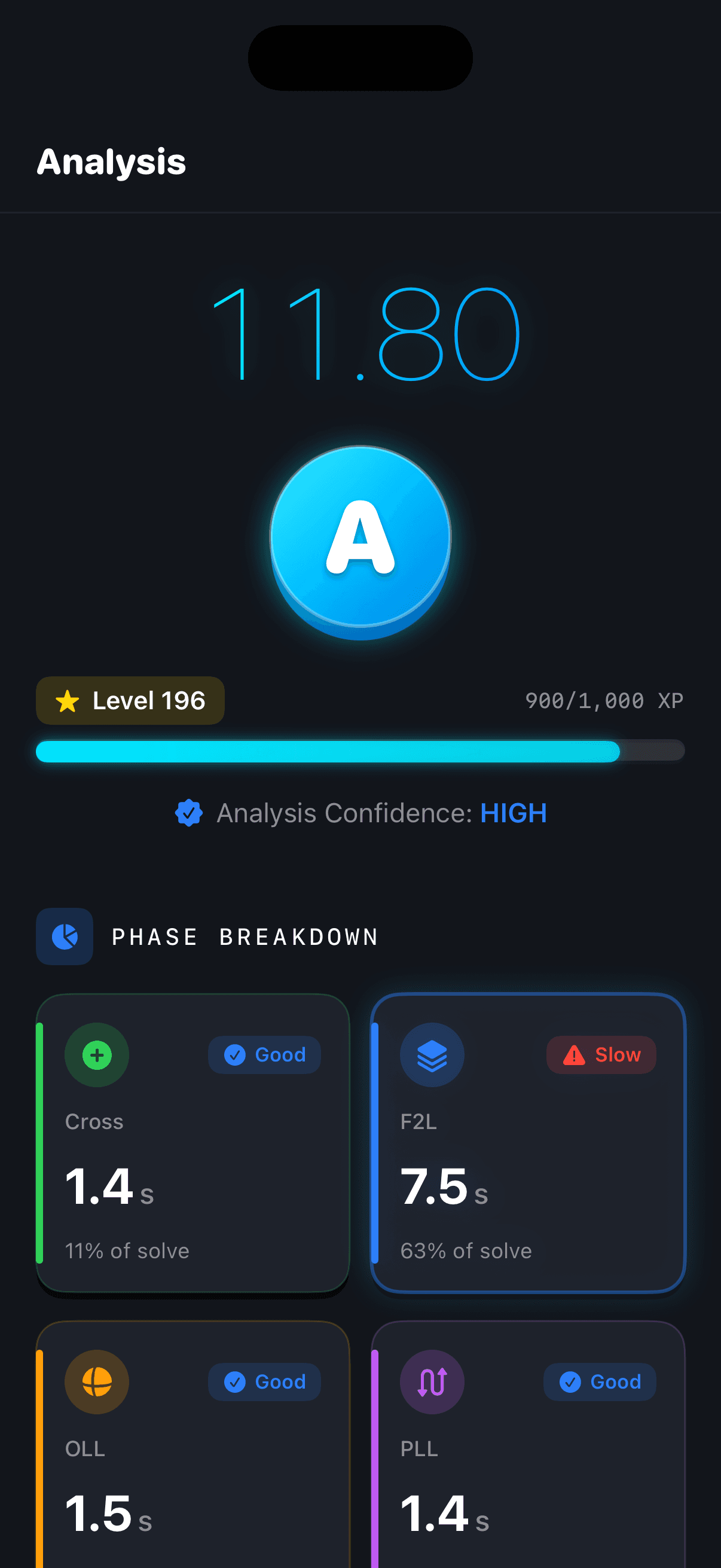
CuberPal solve analysis showing separate Cross, F2L, OLL, and PLL phase times
Improvement

CFOP Solve Splits by Speed

Phase timing targets that turn a vague plateau into a concrete practice plan.

Part of: Get faster at 3x3

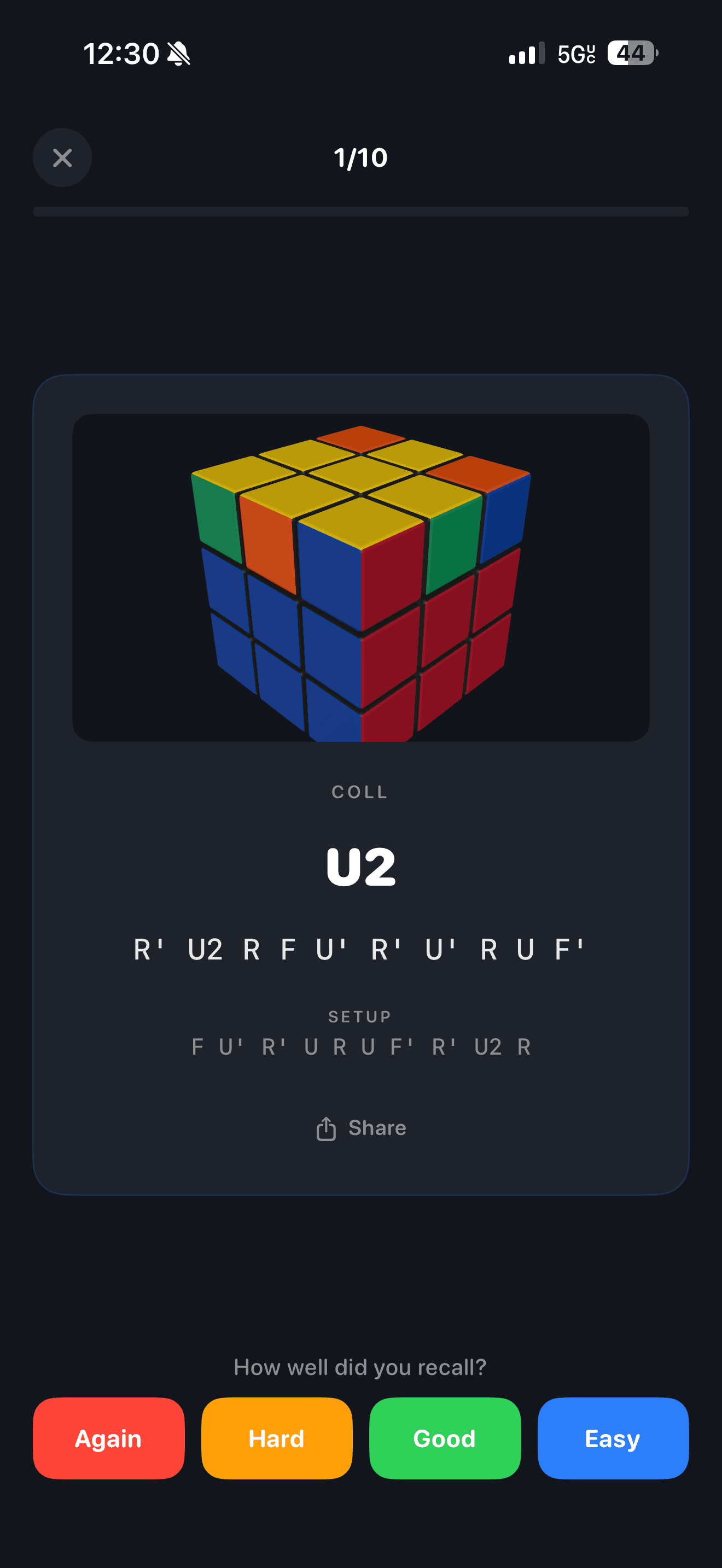
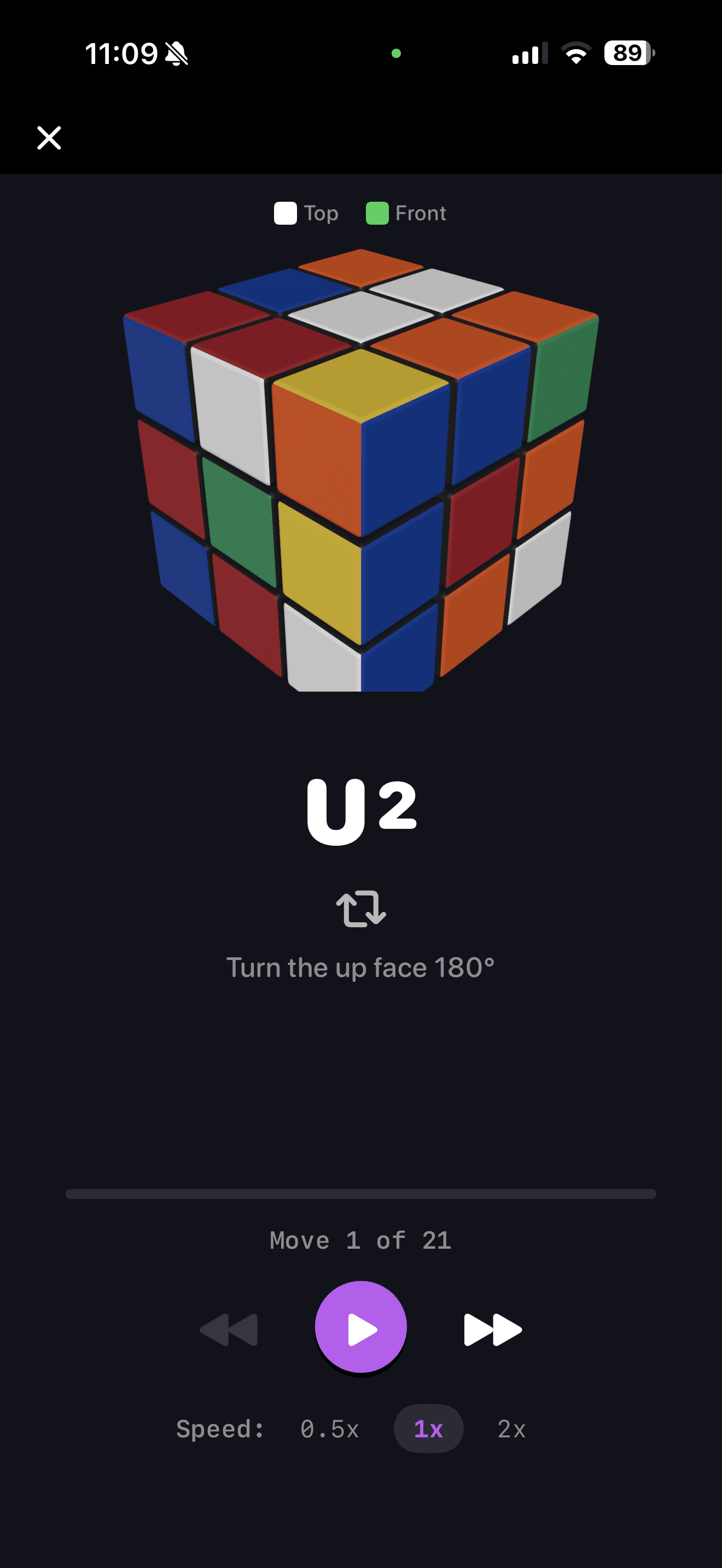
CuberPal solve playback demonstrating a U2 half-turn with a 3D cube and move instruction
Technique

Speedcubing Fingertricks

How fast turning actually works: efficient movement, fewer regrips, and controlled TPS.

Part of: Get faster at 3x3

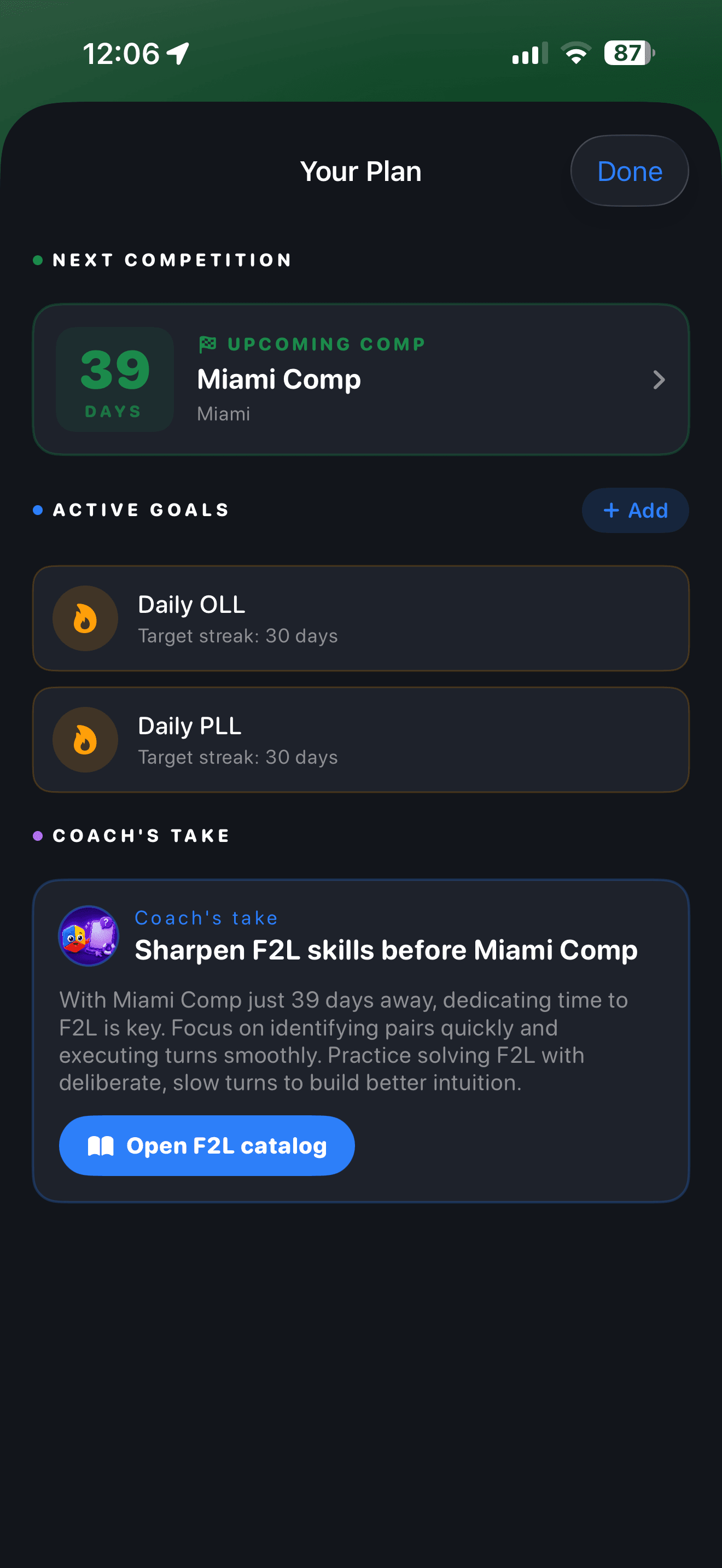
CuberPal training plan with an upcoming competition countdown and daily OLL, PLL, and F2L goals
Competition

First Speedcubing Competition Guide

A calm walkthrough for cubers who want to try a WCA competition without feeling lost.

Part of: Competition ready

CuberPal Practice screen with daily practice and OLL, PLL, COLL, and ZBLL practice sets
Practice

How to Practice Speedcubing

A repeatable practice routine for cubers who want improvement, not just more solves.

Part of: Practice with purpose

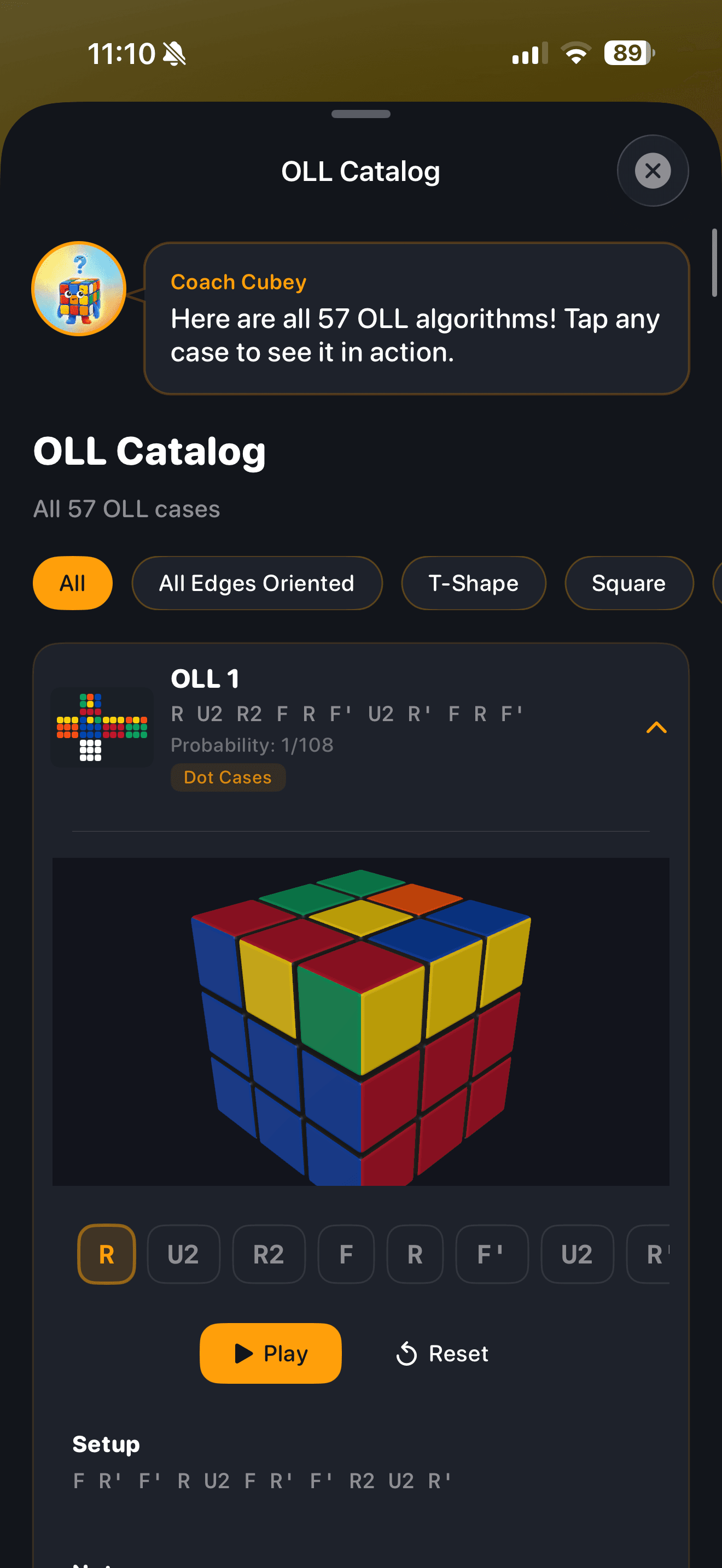
CuberPal OLL Catalog with a case diagram, category label, algorithm notation, and animated move controls
Algorithms

OLL Recognition

How to stop staring at the last layer before choosing an OLL algorithm.

Part of: CFOP algorithms

CuberPal PLL Catalog showing a PLL case diagram, category, algorithm moves, and playback controls
Algorithms

PLL Recognition

The visual system behind faster last-layer permutation decisions.

Part of: CFOP algorithms

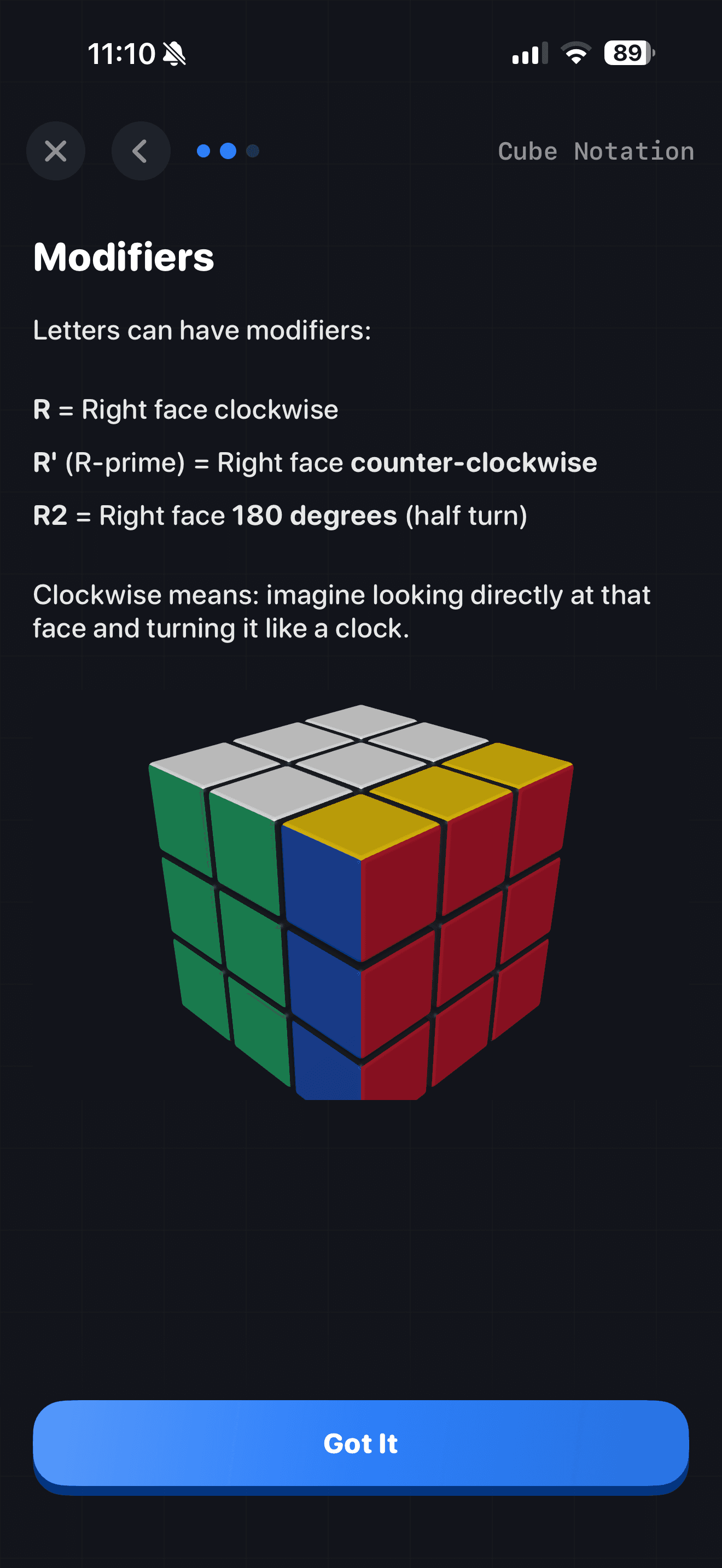
CuberPal Cube Notation lesson explaining R, R-prime, and R2 turn modifiers on a 3x3 cube
Basics

Rubik's Cube Notation Explained

A complete 3x3 notation reference for face turns, prime and double modifiers, wide and slice moves, rotations, and reading algorithms accurately.

Part of: Cube fundamentals

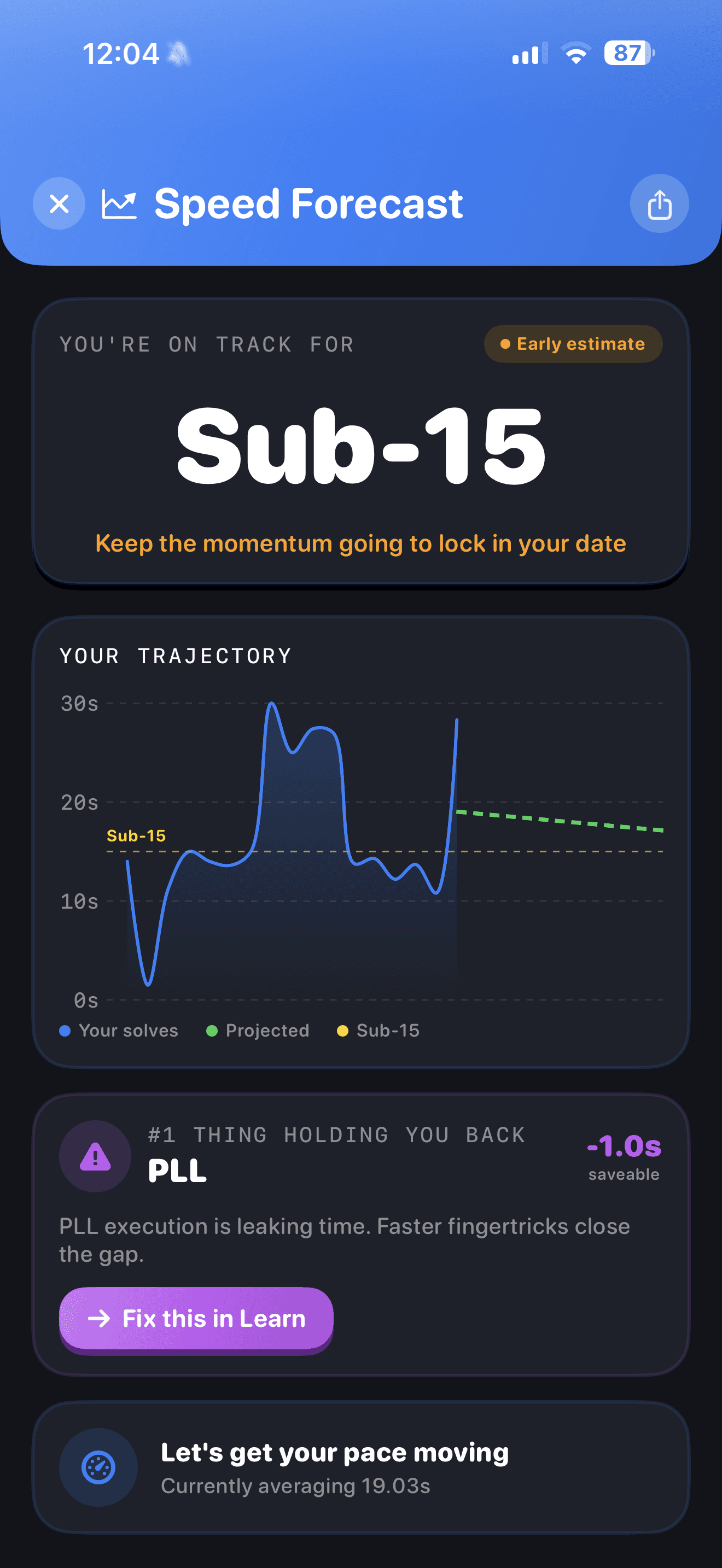
CuberPal Speed Forecast showing a sub-15 goal, solve trajectory, and PLL as the current practice priority
Improvement

How to Get Sub-15 on Rubik's Cube

The advanced CFOP priorities that matter after sub-20 stops being enough.

Part of: Get faster at 3x3

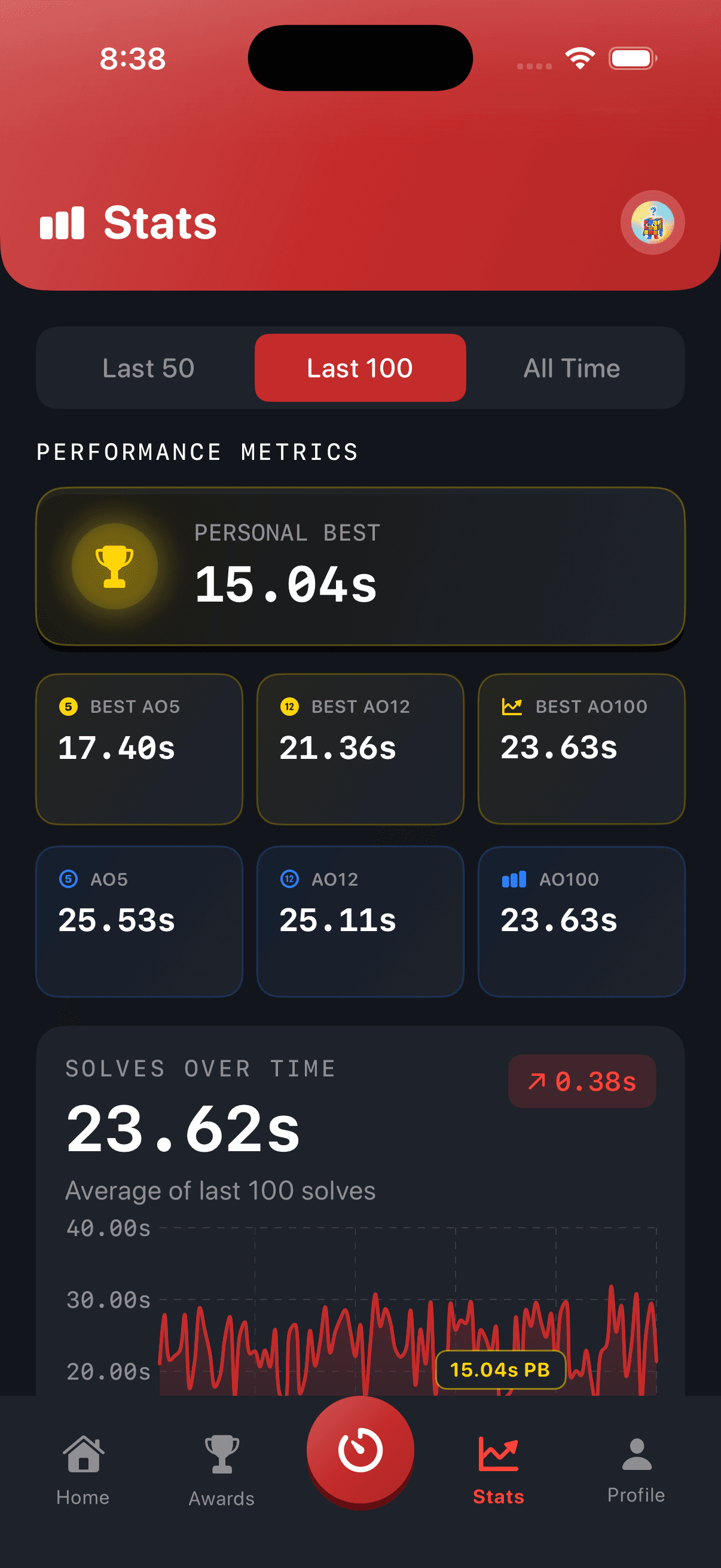
CuberPal performance dashboard showing personal best, average of 5, average of 12, and average of 100 solve times
Improvement

How to Get Sub-30 on Rubik's Cube

A focused roadmap for moving from beginner-method solves to a consistent sub-30 average.

Part of: Get faster at 3x3

CuberPal home dashboard showing Learn and timer entry points for studying a method and recording practice
Learning

2x2 Rubik's Cube Method

A method roadmap for 2x2 solvers moving from first solves to speedsolving.

Part of: Beyond 3x3

CuberPal OLL Catalog displaying an OLL case, cube diagram, move sequence, and playback controls
Algorithms

2-Look OLL Explained

A complete 2-look OLL guide covering the 10 algorithms, edge and corner recognition, learning order, drills, and the move to full OLL.

Part of: CFOP algorithms

CuberPal PLL Catalog displaying a PLL case, cube diagram, algorithm sequence, and playback controls
Algorithms

2-Look PLL Explained

A beginner-friendly last-layer permutation system before learning all 21 PLL algorithms.

Part of: CFOP algorithms

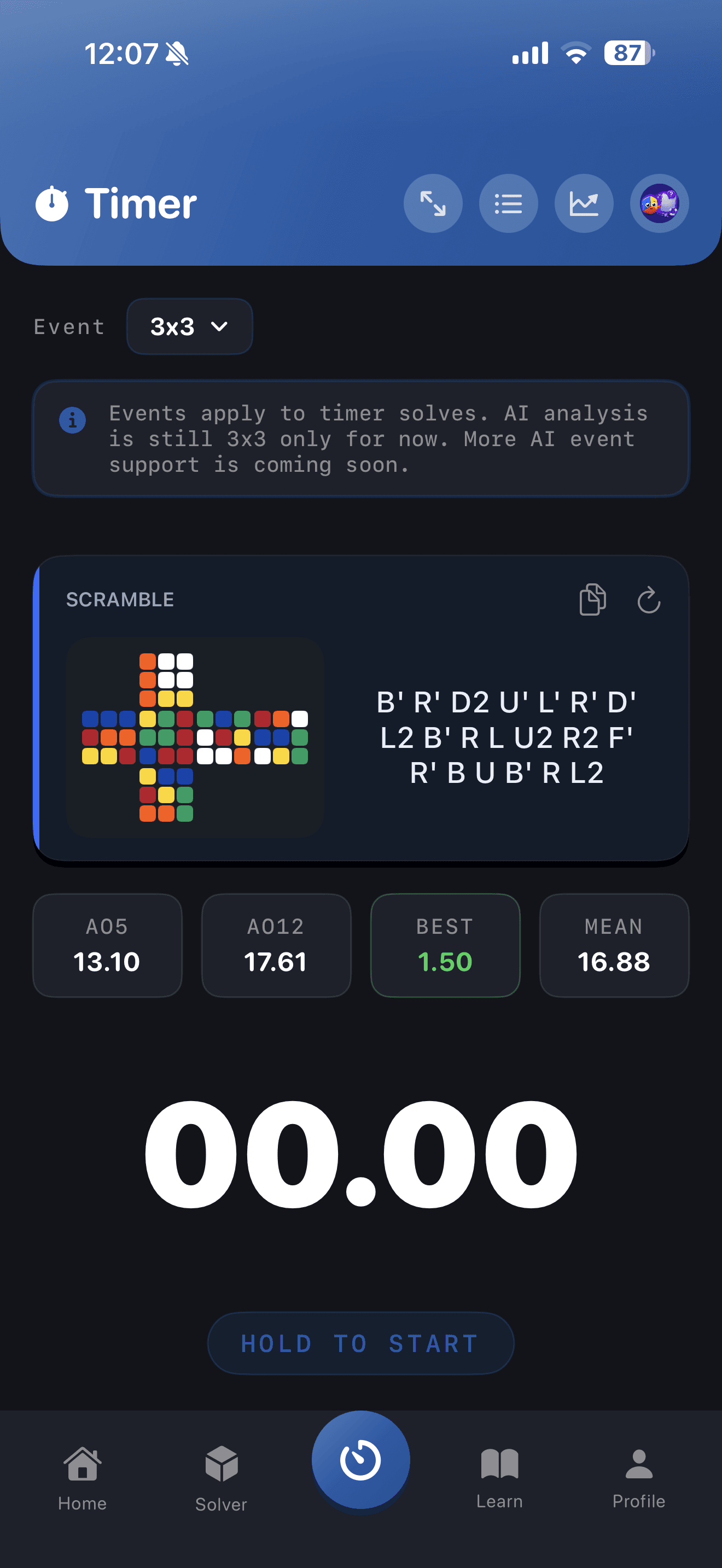
CuberPal timer screen with a 3x3 event selector, scramble diagram, average of 5, average of 12, best, and mean statistics
Competition

WCA Events Explained

A beginner-friendly map of official speedcubing events and where to start after 3x3.

Part of: Competition ready

Want the app that turns these tactics into daily practice?

Download CuberPal